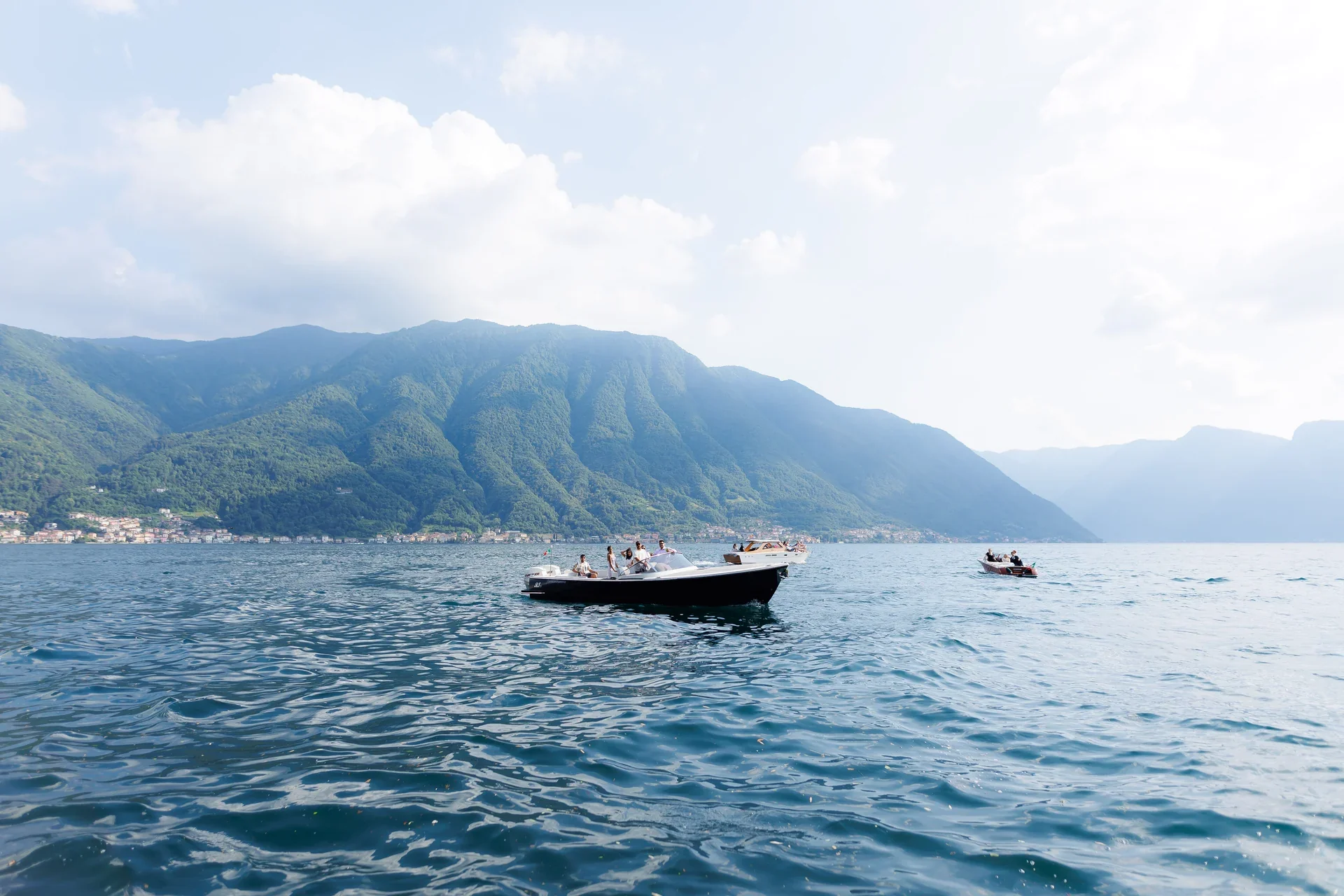
Planning your first trip to Lake Como? This practical guide explains how to plan your visit, move around the lake, choose the right timing, and avoid the most common first-time mistakes.
Lake Como is one of those places that looks exactly like the photographs - and then exceeds them in ways no photograph quite captures. The scale of the mountains above the water, the quality of the evening light, the silence on the lake at dawn - none of it translates fully until you're there.
It also has a reputation for being overwhelming for first-time visitors. The geography is confusing, the ferry system takes getting used to, and the summer crowds at the most famous villages can make the experience feel less like a holiday and more like a queue. This guide exists to solve all of that.
Understanding Lake Como's geography
Lake Como is shaped like an upside-down Y. The two southern branches meet at the headland where Bellagio sits - the most famous village on the lake and the geographical centre of everything. The western arm runs south to Como city. The eastern arm runs south to Lecco. The single northern arm, where both branches converge, runs up to Colico at the lake's northern tip.
This geography matters practically. Ferries don't connect the whole lake in a single loop - they run along specific routes and branches. If you want to get from Varenna (eastern shore) to Menaggio (western shore), you take the cross-lake car ferry, not a route via Como city. Understanding the Y-shape before you arrive will save you a significant amount of confusion.
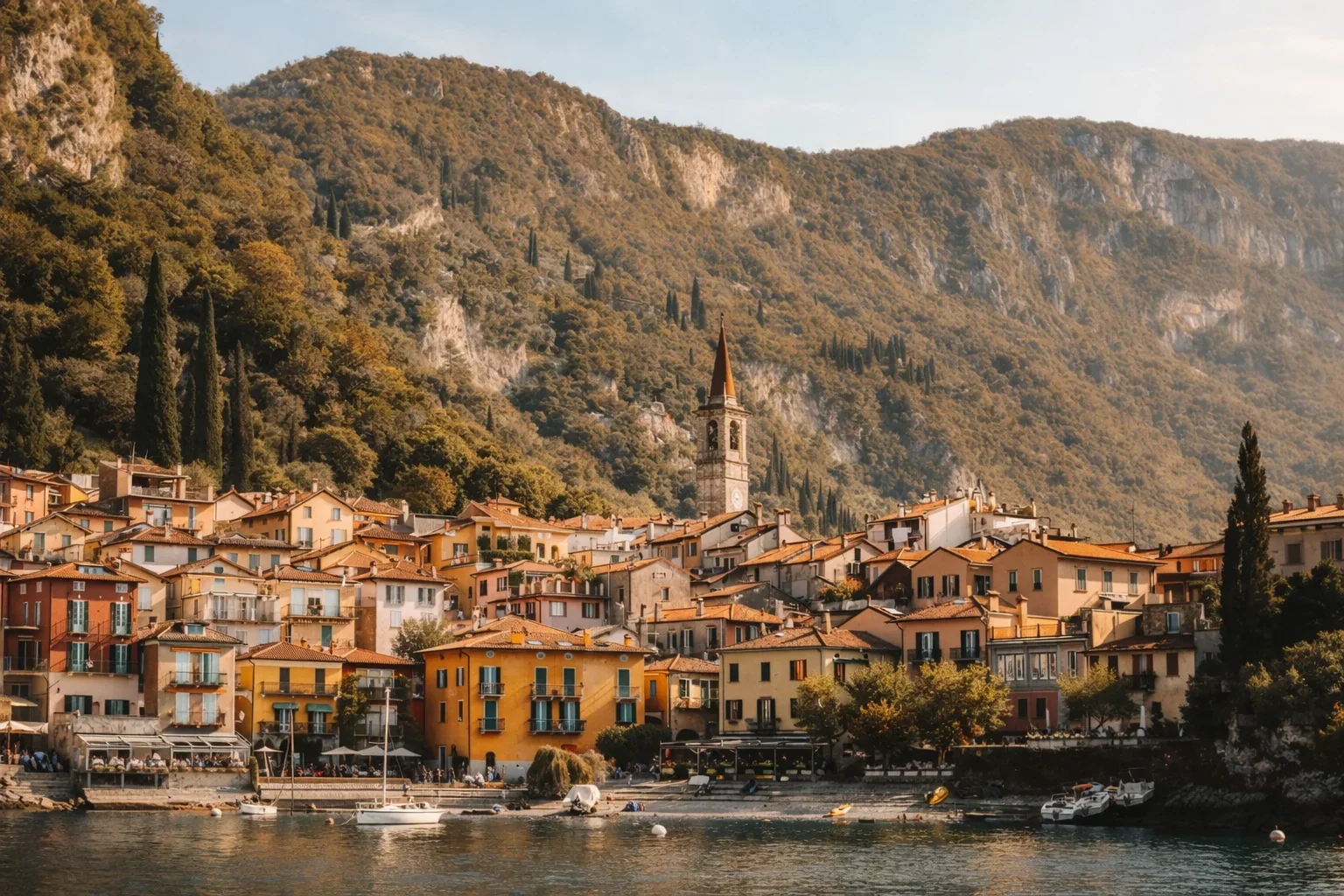
The three towns you will almost certainly pass through: Como city (southern tip of the western arm, main transport hub from Milan), Bellagio (centre of the lake, most picturesque), and Varenna (eastern shore, quieter, better train access). Everything else is a variation on these three.
How to get to Lake Como from Milan
Milan is the primary gateway. Almost all international visitors arrive via Milan Malpensa or Milan Linate, and Como is between 40 minutes and 1.5 hours from the city depending on which part of the lake you're heading to.
By train to Como city: Trains from Milan Central to Como San Giovanni run frequently and take around 35-40 minutes. Note that Como San Giovanni is the mainline station - it sits about 1km inland from the lake. If you want to arrive directly on the waterfront, Como Nord Lago is the lakefront station served by regional trains from Milan Cadorna (Trenord). From either station you can reach the ferry docks, but Como Nord Lago saves you the walk to the water.
For up-to-date public transport schedules and route options from Milan to any point on the lake, Rome2rio is the most useful planning tool - it compares train, bus, and ferry combinations in a single search.
By train to Varenna: Trains from Milan Central to Varenna-Esino take around 1 hour and run regularly throughout the day. Varenna is on the eastern shore, with a short ferry crossing to Bellagio (around 15 minutes). This is the best route if Bellagio is your primary destination.
By car: The drive from Milan to Como takes around 40 minutes without traffic - but traffic on the lake roads in summer can be severe. Parking in the main villages is limited, expensive, and sometimes non-existent. If you are visiting for a single day, the train is strongly preferable. If you are staying overnight, check whether your accommodation has parking before you commit.
Private transfer: If you're arriving with luggage, a group, or directly from the airport, a private transfer to your hotel is often the most practical option. It removes the train connection entirely and drops you where you need to be. See our private transfer options here.
By car: The drive from Milan to Como takes around 40 minutes without traffic - but lake road traffic in summer can be severe. Parking in the main villages is limited, expensive, and sometimes non-existent. If visiting for a single day, the train is strongly preferable.
Getting around the lake
Once you're on the lake, ferries are the primary way to move between villages. Navigazione Lago di Como operates the network, with three main service types:
- Traghetto (car ferry): Slow, carries vehicles, runs between Bellagio, Varenna, Menaggio, and Cadenabbia. Useful if you have a car.
- Servizio battello (passenger ferry): Regular passenger service along the lake, stops at most villages.
- Servizio rapido (fast hydrofoil): Significantly faster, fewer stops, costs slightly more. Worth it for longer journeys.
For planning purposes: Bellagio to Como by fast ferry takes around 1 hour. Bellagio to Varenna by car ferry takes around 15 minutes. Buy tickets at the dock before boarding - there are no advance bookings for standard ferry services.
For a fuller breakdown of the ferry vs private boat question - including when it makes sense to skip the ferry entirely - see our guide: Ferry vs private boat: the best way to see Lake Como.
When to visit Lake Como
The honest answer is that there is no perfect time - only trade-offs.
June to August is peak season. The lake is at its most beautiful - warm, clear, golden light. It is also at its most crowded. Bellagio in July feels like a different place from Bellagio in October. If you visit in peak season, arrive early at every location, book everything in advance, and avoid the main villages between 11am and 4pm if you can.
April, May, September, October are the shoulder months and the best time for most visitors. The weather is good, the light is excellent for photography, prices are lower, and the villages are noticeably quieter. Some restaurants and hotels will be closed in early April and late October - check before you go.
November to March is off-season. Many businesses close. The lake is quieter, sometimes dramatically so. But it has its own character in winter - the mountains carry snow, the mist sits low on the water in the mornings, and the villages feel like themselves again rather than tourist destinations. Worth considering if crowds are your primary concern.
For a detailed guide to navigating the peak season, see: Lake Como in summer: crowds, transport limits and how to plan around them.
Where to base yourself
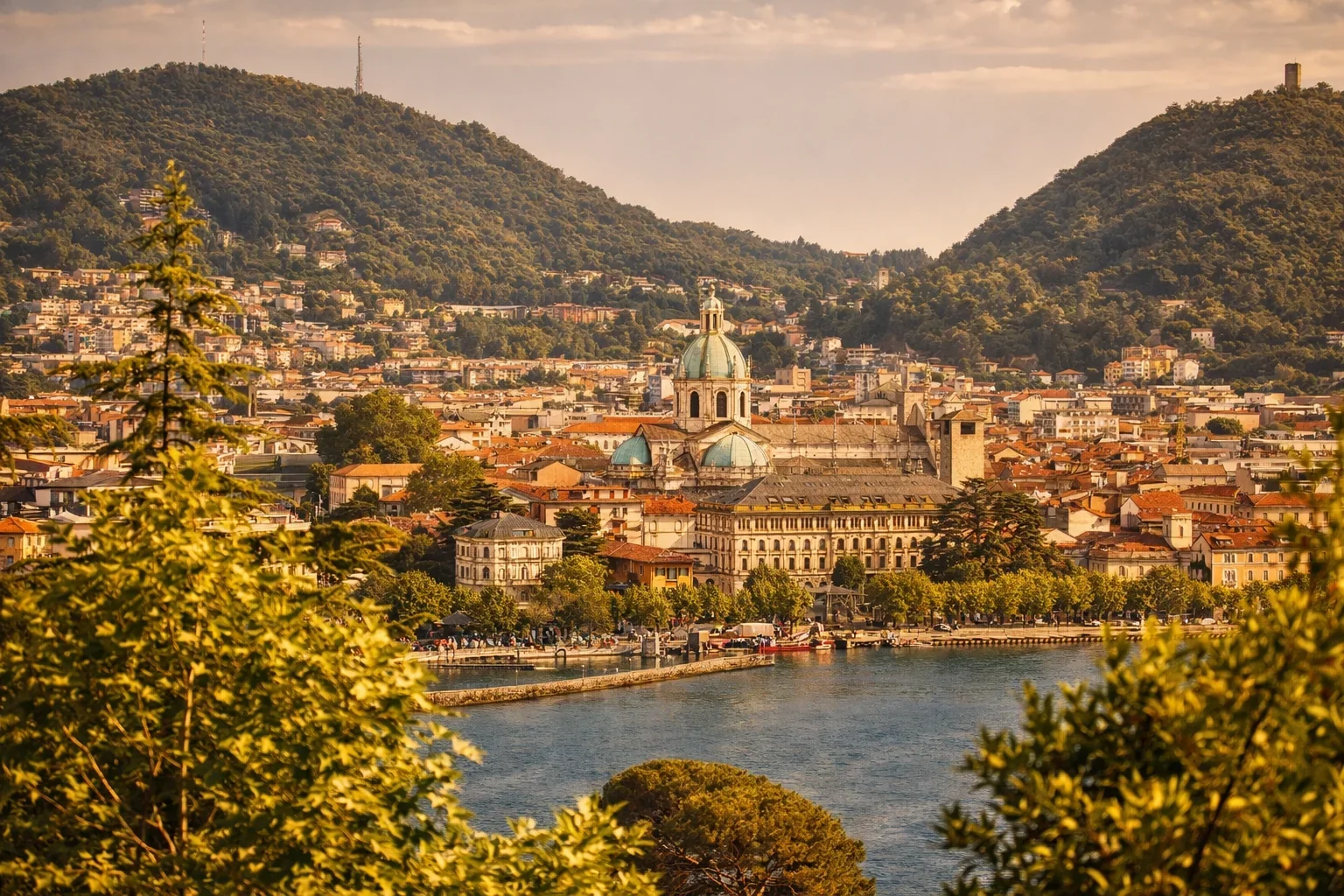
Como city suits visitors who want urban amenities alongside the lake - restaurants, shops, a proper town centre. Good transport connections. Less picturesque than the central lake villages.
Bellagio is the most scenic base and the most expensive. Ideal if the lake experience itself is the priority. Book well in advance for summer. Read our one-day Bellagio itinerary for what to do once you're there.
Varenna is quieter than Bellagio, slightly less visited, and in many ways more authentically itself. Excellent ferry connections to the rest of the lake. A strong choice for anyone who wants beauty without the crowds. See our Varenna in one day guide.
Menaggio and Tremezzo on the western shore are popular with families and those with cars. Good mid-lake position. The Villa Carlotta gardens at Tremezzo are among the finest on the lake.
Smaller villages - Nesso, Lezzeno, Argegno, Dongo - are worth considering for visitors who want to be genuinely off the main tourist circuit. Less infrastructure but considerably more tranquillity.
What to actually do on the lake
The most common mistake first-time visitors make is treating Lake Como as a backdrop rather than an experience. They travel between villages by ferry, walk the promenades, eat lunch, and leave with a sense that they've seen it - when what they've actually seen is the tourist surface.
The lake itself is the experience. A few things that actually deliver it:
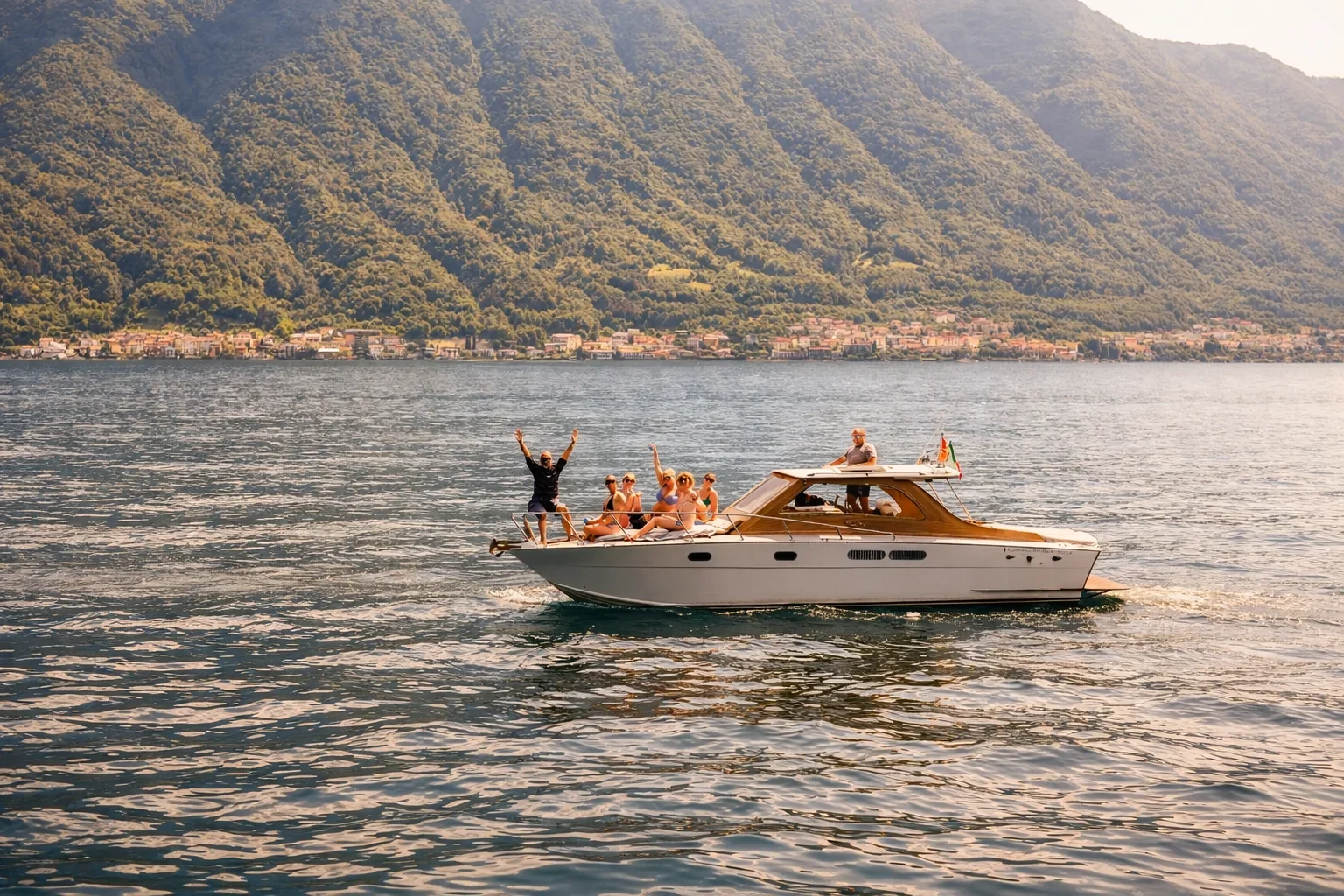
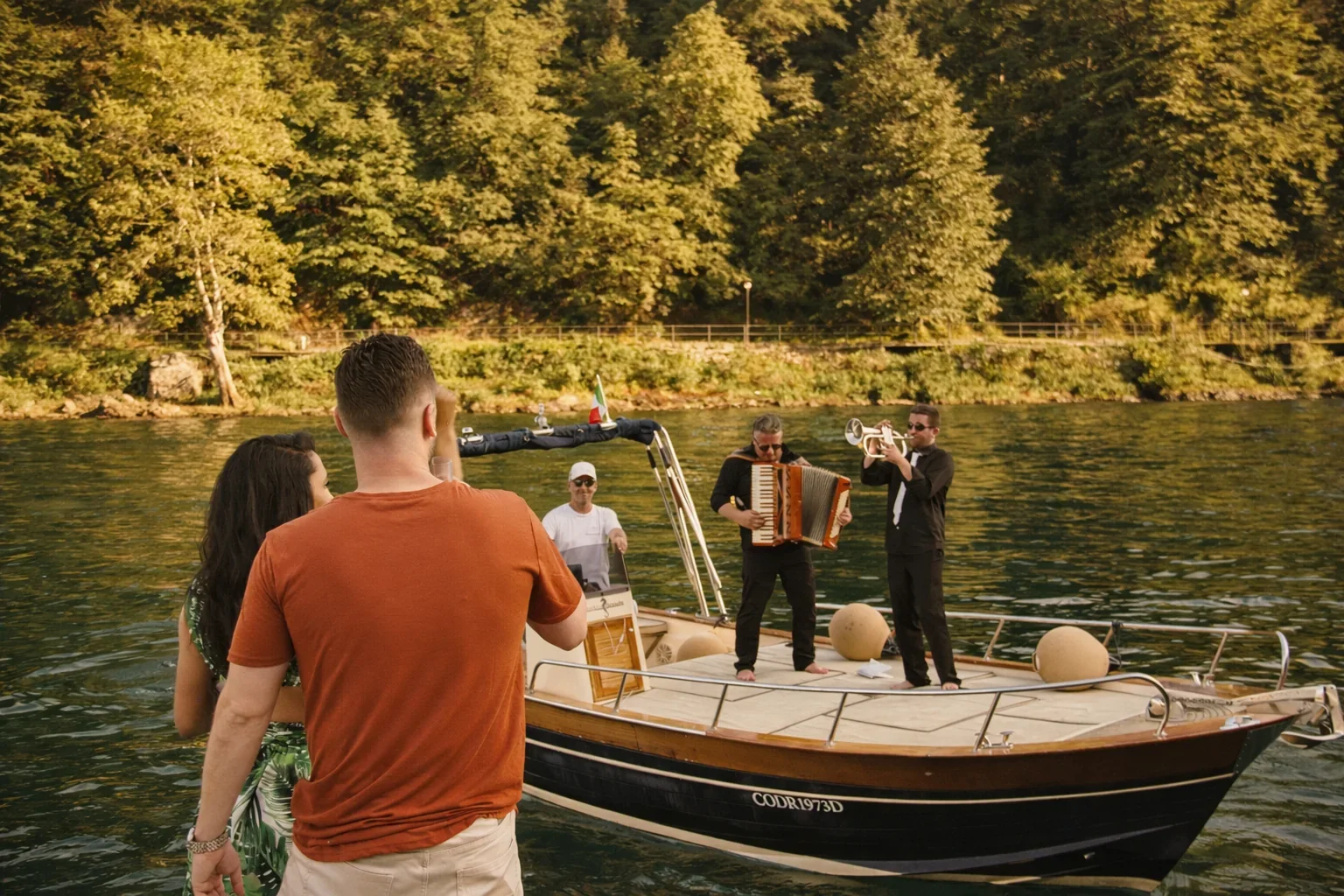
A private boat tour gives you access to the parts of the lake that aren't reachable on foot - the villa facades along the western shore, the quiet bays and coves that ferries don't stop at, the perspective of the mountain backdrop from the water that no viewpoint on land quite matches. It's also simply the most pleasurable way to spend an afternoon. Browse our private boat tours.
The major villas - Villa del Balbianello (Lenno), Villa Carlotta (Tremezzo), Villa Melzi (Bellagio), Villa Monastero (Varenna) - are genuinely worth visiting. The gardens are extraordinary. Most require advance booking in season. Several are best approached by boat - see our guide to the most beautiful villas on Lake Como.
Sunset on the lake is one of those experiences that sounds like a cliché until you see it. The light on the mountains after 7pm in summer is unlike anything earlier in the day. Read our guide to the best sunset spots on Lake Como before you plan your evening.
Practical things worth knowing
Book accommodation early. Good properties in Bellagio and Varenna sell out months in advance in peak season. If you have a preferred hotel, book it as soon as your dates are confirmed.
Cash is useful. Many of the smaller bars, restaurants and ferry ticket offices at smaller docks are cash-only or prefer it. Keep some euros on you.
The lake is bigger than it looks on a map. Distances between villages that appear close together can take 45 minutes to an hour by ferry. Factor travel time into your planning.
Dress codes at villas. Several of the major villas and their gardens have dress code requirements - no swimwear, covered shoulders. Check before visiting.
Water is drinkable. The tap water throughout the Lake Como region is clean and good. You don't need to buy bottled water.
Frequently Asked Questions
How many days do you need at Lake Como?
Two to three days is enough to visit the main villages, take a boat trip, and see the villas without rushing. One day is possible as a Milan day trip but leaves you with a surface-level impression. Five to seven days gives you time to slow down and explore the quieter parts of the lake.
Is Lake Como expensive?
It can be. Bellagio in peak season is genuinely pricey - accommodation, restaurants, and boat tours all carry a premium. The lake is significantly more affordable in shoulder season (April-May, September-October), and the smaller villages are always cheaper than the headline destinations. You can have a full day on the lake for a very reasonable cost if you're strategic about where you eat and stay.
Do you need a car at Lake Como?
Not for most itineraries. The ferry network connects the main villages well, and the train gets you to Como city and Varenna directly from Milan. A car is useful if you want to explore the smaller villages on the eastern shore or travel outside the main ferry routes - but it adds significant complexity in summer due to traffic and parking.
What is the best village to visit at Lake Como?
Bellagio for scenery and atmosphere. Varenna for a quieter, more authentic experience. Como city for urban amenities and transport connections. The honest answer is that each suits a different type of visitor, and the best one depends on what you're looking for.
Is Lake Como worth visiting?
Yes - but it rewards effort. Visitors who plan ahead, get on the water, slow down in the right places, and avoid the worst of the crowds tend to come away feeling it exceeded expectations. Those who treat it as a quick day-trip checkbox often feel it was overrated. The difference is almost entirely in the approach.
Share this story